
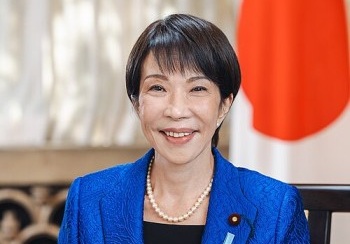
In response to economic challenges arising from the Middle East conflict, Prime Minister Sanae Takaichi is keen to avoid extensive reliance on deficit-covering government bonds for a supplementary budget. During a series of Diet debates on May 20, Takaichi emphasized the importance of safeguarding people’s livelihoods and economic activities without resorting to substantial issuance of special deficit-financing bonds. She mentioned that while concrete details of a planned extra budget for fiscal 2026 are not yet finalized, surplus funds and other resources will be available soon.
Despite initially denying the necessity for an extra budget, Takaichi recently instructed Finance Minister Satsuki Katayama to consider compiling one. This instruction was given amid criticism from opposition figures like Junya Ogawa, who questioned the timing of her economic measures. Takaichi defended her approach, asserting that her instructions were timely and had been initiated before the Golden Week holidays from late April to early May, although she had previously stated that an immediate supplementary budget was unnecessary.
In addressing rising crude oil prices, the government is maintaining high subsidy levels to keep gasoline prices around 170 yen ($1.06) per liter. Yuichiro Tamaki of the Democratic Party for the People suggested extending these subsidies with a strategic exit plan. Takaichi indicated her willingness to consider this proposal seriously and respond appropriately to maintain economic stability. Concurrently, the ongoing closure of the Strait of Hormuz has prompted companies like Calbee Inc. to adapt, as seen in their switch to black and white packaging due to unstable naphtha supplies, highlighting broader supply-chain issues despite adequate overall volumes.
Takaichi assured that the government, led by Industry Minister Ryosei Akazawa, will address these supply constraints. Meanwhile, she reiterated her commitment to eliminating the consumption tax on food items, planning to introduce related legislation once an interim report from the national council on social security is compiled in the summer.