
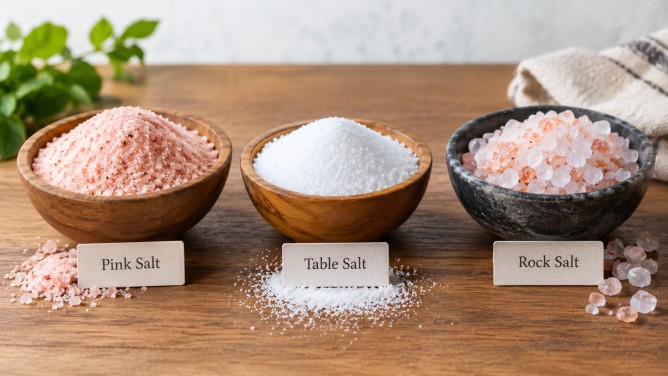
When choosing between table salt, pink Himalayan salt, and rock salt, one key factor to consider is iodine content, which significantly impacts thyroid health. Iodine is vital for the production of thyroid hormones that regulate metabolism and support growth. Iodised table salt is often the most reliable source of iodine, as it is specifically fortified to meet nutritional requirements.
Regular table salt can effectively prevent iodine deficiency, provided it is clearly labelled as iodised. Consumers should check packaging to ensure iodine content, as not all table salt products contain this essential mineral. Proper storage in a dry, covered container is crucial to maintain its quality and iodine levels. However, moderation is important, as excessive sodium intake can lead to high blood pressure.
Pink Himalayan salt, known for its distinctive color, is popular as a natural alternative. Its color comes from trace minerals, but these do not guarantee sufficient iodine levels unless the product is fortified. While it may be chosen for flavor or texture, pink salt should not be relied upon as a primary iodine source.
Similarly, rock salt, common in traditional cooking, may not provide adequate iodine unless fortified. Its naturally occurring minerals vary by source and may not meet daily iodine needs. Individuals using rock salt should verify iodine content and ensure their diet includes other iodine-rich foods.
To achieve the recommended daily intake of approximately 150 micrograms of iodine, consumers can also consider foods such as dairy products, eggs, seafood, and fortified foods. Those with dietary restrictions should pay attention to alternative sources of iodine.
In summary, while table salt, pink Himalayan salt, and rock salt each have unique characteristics, iodised table salt is generally the most dependable option for iodine intake. Regardless of choice, maintaining a balanced diet and moderating salt consumption is essential for thyroid health and overall wellbeing.