
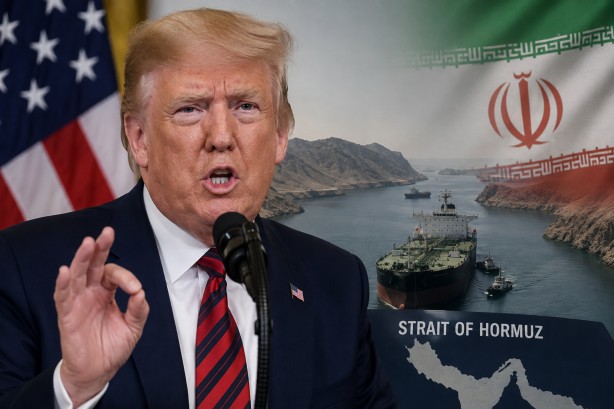
Iran has issued a stern warning to Gulf states, indicating that any future US military actions against its territory would provoke retaliatory strikes targeting critical energy infrastructure across the Gulf. This warning, reportedly delivered by Iranian Foreign Minister Abbas Araqchi, was conveyed during discussions with senior officials from countries including Saudi Arabia, Qatar, Turkey, and Pakistan. Araqchi urged these regional allies to advocate for restraint from Washington, emphasizing that Iran is prepared to respond to any aggression by targeting US assets and vital energy facilities in the region.
The threat from Iran comes in the wake of US President Donald Trump’s recent pronouncements about potentially targeting Iran’s energy infrastructure. Although Iran has signaled its preference for diplomatic solutions, it made clear that it is fully prepared to engage in retaliatory measures if attacked. This development underscores the heightened tensions in the region and the potential for significant disruptions to Gulf energy supplies.
Saudi Arabia has reportedly been proactive in urging the United States to focus on diplomatic negotiations to prevent any further escalation of the conflict. At the same time, Saudi leaders have communicated their readiness to defend their own territory if necessary. This stance reflects the delicate balance regional powers are attempting to maintain as they navigate the increasingly volatile situation.
Iran’s warning did not merely focus on military assets but also pointed to a range of potential targets, including oil facilities, refineries, power grids, water infrastructure, transport networks, and oil fields. Such actions could have far-reaching consequences, not only for the regional stability but also for global energy markets. The threat of renewed hostilities raises concerns about the impact on the availability and pricing of energy supplies worldwide.
Amid these tensions, regional leaders continue to advocate for diplomatic channels to be prioritized in resolving the conflict. Their efforts aim to avert a broader confrontation that could have devastating effects on the global economy. As the situation remains precarious, the international community watches closely, hoping for a peaceful resolution to the crisis.