
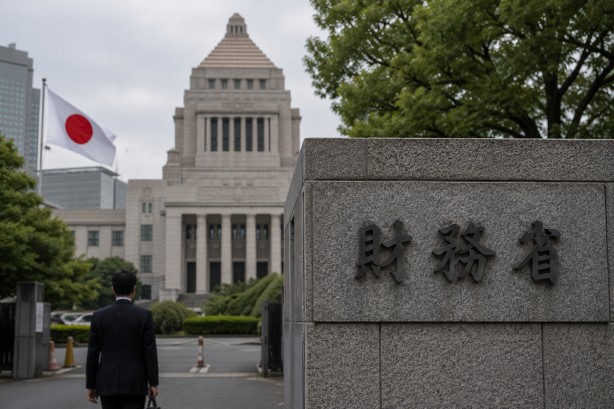
Japan’s effort to streamline corporate tax incentives has made limited progress, with officials recommending the removal of just one tax break out of approximately 120 measures under scrutiny. This initiative was part of a broader strategy to minimize inefficient government expenditure and secure funds for upcoming tax relief initiatives. Despite the call for a comprehensive evaluation, various ministries and government bodies remained steadfast in their defense of current tax incentives, even those that are infrequently used, citing their alignment with long-term policy objectives.
Finance Minister Satsuki Katayama expressed dissatisfaction with the preliminary findings, indicating that they fell short of expectations. Katayama pledged that a more exhaustive review would be conducted before year-end discussions commence. The tax incentives under examination represent a significant portion, totaling around 1 trillion yen, in tax reductions that the government had hoped to reassess for potential savings.
The overarching goal of this review is to identify additional revenue sources to fund a proposed temporary cut in Japan’s consumption tax on food. This financial maneuver is intended to alleviate the tax burden without resorting to increased government borrowing, a move that Japan is keen to avoid. The plan underscores the government’s balancing act between tax relief for citizens and maintaining fiscal responsibility.
While the ministries involved largely supported the existing incentives, pointing to their strategic importance, the limited success of the review highlights the challenges faced by the government in its quest to optimize fiscal policies. The outcome suggests that more rigorous criteria may be needed to assess the effectiveness of these tax breaks and whether they continue to serve the nation’s economic goals.