
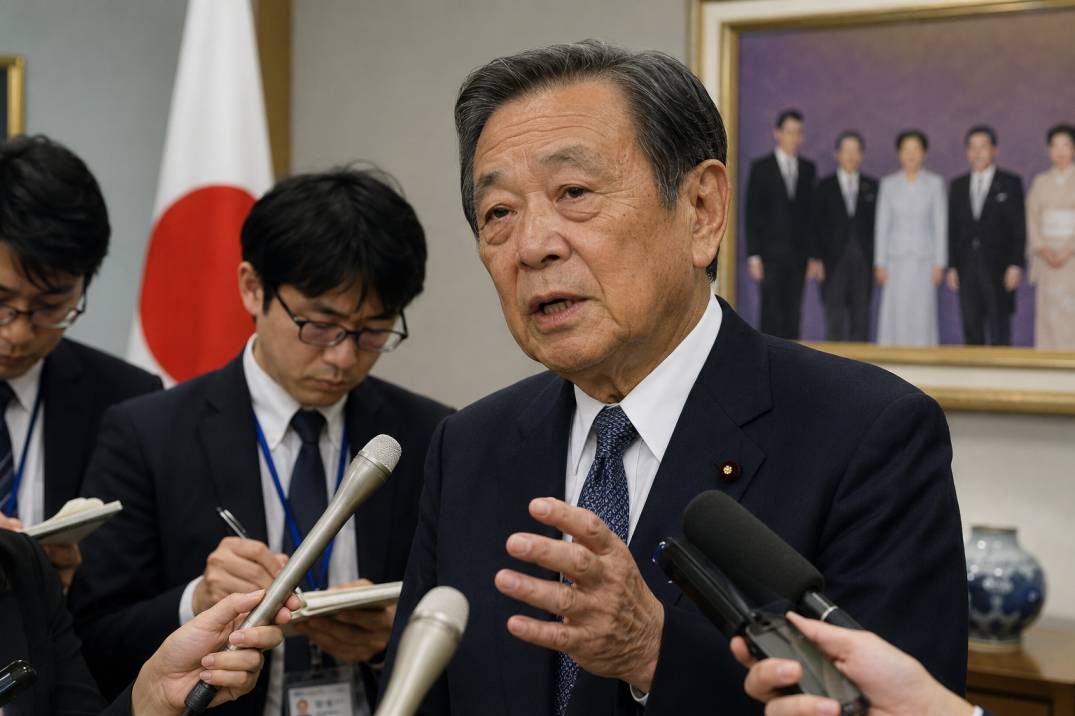
Within Japan’s ruling Liberal Democratic Party (LDP), the topic of permitting a female emperor continues to be a sensitive issue, despite widespread public backing for such a change. A senior party member has indicated that while there is personal support for the idea among some lawmakers, the potential political repercussions keep it largely unspoken among the party ranks.
The veteran lawmaker, speaking privately, suggested that Japan could indeed have a female emperor. However, he cautioned that voicing this opinion publicly might alienate conservative voters and party loyalists, whose support is crucial for politicians. This fear of political fallout has led many lawmakers to steer clear of the controversial topic.
The revelation emerges amid ongoing debates in Japan over potential amendments to the Imperial House Law. These discussions include proposals aimed at preserving the imperial succession through the male lineage, a tradition deeply rooted in the country’s history. The divergence between public opinion and the LDP’s stance is becoming increasingly apparent, as polls consistently reflect strong public support for women ascending to the Chrysanthemum Throne.
While the public sentiment leans towards modernizing the imperial succession laws to include female members, the LDP’s reluctance to embrace this change underscores the challenges of balancing tradition with contemporary societal values. The conversation remains complex and fraught with political implications, as Japan navigates its cultural heritage and evolving public expectations.