
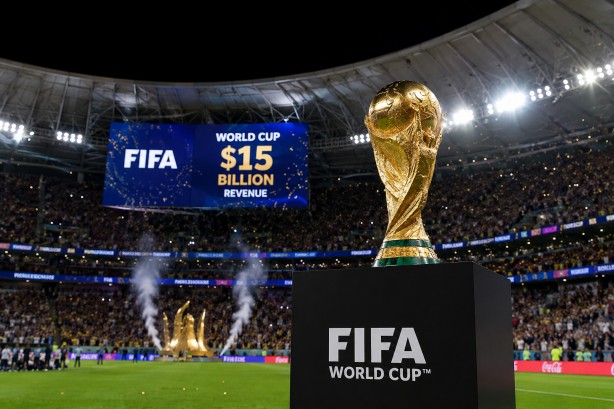
FIFA is on the verge of announcing a remarkable revenue achievement of $15 billion from this summer’s World Cup, surpassing its initial projection of $11 billion. This financial success is largely attributed to robust sales of hospitality packages and tickets, especially through the secondary ticket market. FIFA benefits from these transactions by collecting a 15% fee from both buyers and sellers, which has considerably bolstered the organization’s income.
The influx of revenue is anticipated to positively impact FIFA’s member associations, although the specifics of the fund distribution remain undecided. This financial triumph comes at a critical time for FIFA president Gianni Infantino, fortifying his position as he prepares for a re-election bid in March. Infantino has already secured pledges of support from over 200 FIFA member associations, enhancing his prospects for re-election.
The World Cup’s financial success has also cast a favorable light on the United States as a potential future host for the tournament. The bidding process for the 2038 World Cup will soon be open, and there is already conversation surrounding a possible U.S. bid for the 2029 Club World Cup. These developments signal increased opportunities for the country to play a central role in future global football events.
In the meantime, premium hospitality packages continued to attract attention in the lead-up to the World Cup final. The clash between Spain and Argentina in New Jersey has drawn interest, with tickets for exclusive “trophy lounge” experiences priced as high as $34,500 per person. The availability of these high-end options underscores the tournament’s widespread appeal and the willingness of fans to invest in memorable experiences.