
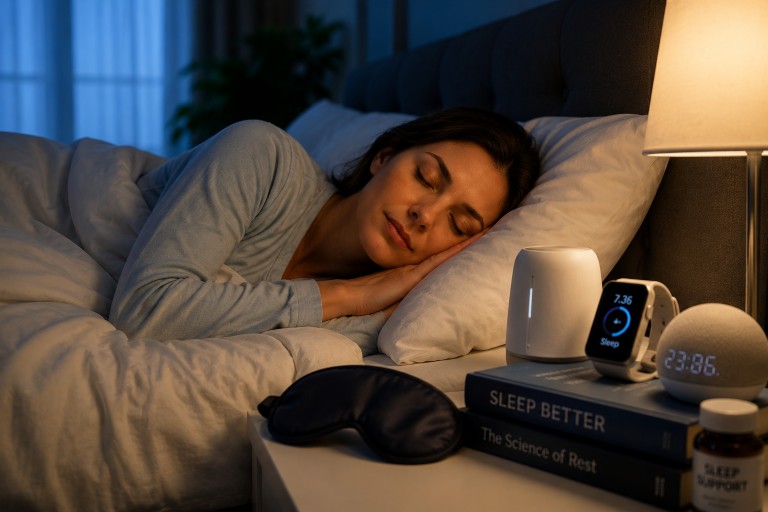
The market for sleep-enhancing products is flourishing as consumers increasingly prioritize achieving restful nights. Products range widely from smartwatches and sleep-tracking apps to specialized mattresses, weighted blankets, and cooling technology. Despite this trend, experts caution that these gadgets and accessories cannot substitute the basic principles of healthy sleep. Factors like stress, excessive screen exposure, irregular schedules, noise, uncomfortable temperatures, and untreated sleep disorders remain significant barriers to quality rest, regardless of the sophistication of sleep technology.
While items such as comfortable mattresses, supportive bedding, and wearable devices can contribute to a more conducive sleep environment and offer insights into sleep patterns, their capabilities are limited. Persistent issues like stress, anxiety, excessive noise, irregular work hours, and underlying sleep disorders demand more than just technological solutions. Overdependence on sleep gadgets can sometimes exacerbate sleep issues, as seen with the phenomenon of orthosomnia, where individuals become overly fixated on achieving “perfect” sleep through constant monitoring of sleep data, inadvertently increasing bedtime anxiety.
The sleep economy is rapidly expanding, driven by a growing awareness of the importance of quality rest. Beyond traditional offerings like mattresses and pillows, the market now features wearable trackers, sleep apps, smart beds, wellness programs, and other tech-based solutions. This shift highlights a broader recognition of sleep as a crucial component of overall health, rather than merely a period of downtime. Wellness-focused hotels and sleep retreats are also gaining popularity, reflecting this trend.
Although sleep trackers can provide useful insights into sleep patterns, they are not comprehensive solutions for sleep problems influenced by factors such as work stress, anxiety, late-night screen use, caffeine intake, erratic schedules, and certain health conditions. The online trend of “sleepmaxxing,” which involves using routines, products, diet, and technology to optimize sleep, underscores the growing interest in sleep enhancement. However, experts advise against turning sleep into a performance metric, as this can lead to counterproductive stress.
Despite the rise of sleep products, achieving healthy sleep heavily relies on maintaining consistent habits. Establishing a regular sleep and wake schedule, staying physically active, managing stress, and minimizing screen exposure before bed are foundational practices for restful sleep. Creating a comfortable bedroom environment—quiet, dark, and at a comfortable temperature—also facilitates relaxation. For chronic or severe sleep issues, such as persistent difficulty sleeping, loud snoring, breathing interruptions during sleep, or significant daytime fatigue, professional medical consultation is recommended over relying solely on consumer products.