China has firmly opposed the United States’ threat of imposing secondary sanctions on nations and companies that maintain trade relations with Iran, asserting its right to protect national interests. The Chinese Foreign Ministry’s spokesperson, Lin Jian, emphasized that China’s economic engagements with Iran are in line with international law and should not be disrupted by U.S. unilateral sanctions.
This stance from Beijing follows the U.S. announcement of new sanctions aimed at individuals, companies, and vessels involved in Iranian trade, as part of a broader strategy to economically isolate Tehran. Given that China is a significant purchaser of Iranian oil, their response is crucial in the U.S. efforts to cut off Iran from global revenue streams.
While the U.S. has refrained from directly targeting major Chinese financial institutions involved in the Iranian oil trade, likely due to fears of retaliation and potential disturbances in global financial markets, the possibility of China implementing countermeasures exists. Such measures could include financial responses or restrictions on the export of critical minerals, potentially escalating tensions ahead of an anticipated meeting between U.S. President Donald Trump and Chinese President Xi Jinping.
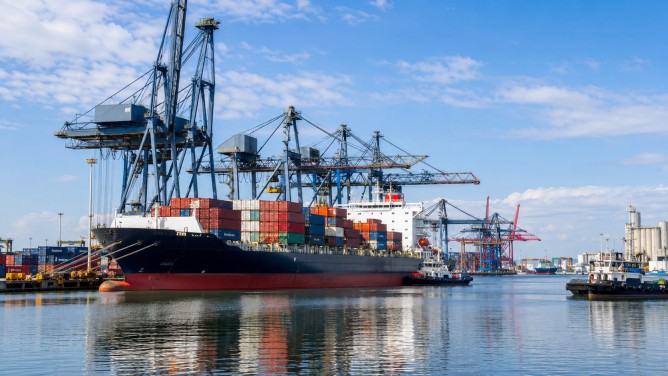
In the meantime, Iran continues to face intense economic challenges due to ongoing conflict, sanctions, and limitations on its oil exports. The strategic Strait of Hormuz remains a point of concern for the global energy sector, with reports indicating limited commercial shipping activity through this crucial maritime passage.
The U.S. maintains that its sanctions are designed to cut off Iran’s financial resources, compelling Tehran to alter its policies. However, analysts caution that increasing economic pressure could further damage U.S.-China relations without quickly resolving the underlying conflict.